


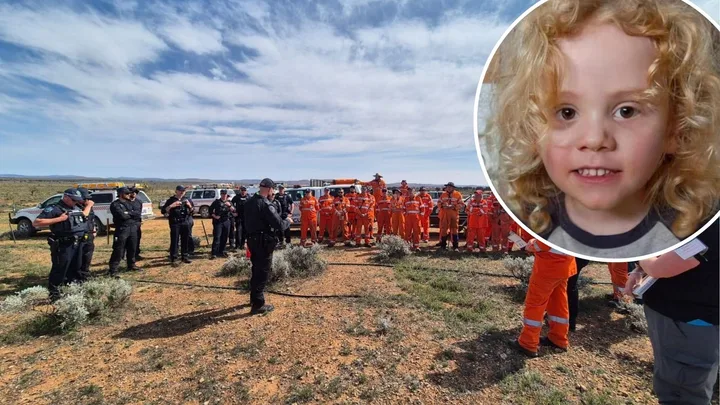
Police have called off their search for four-year old Gus Lamont, after not finding any evidence of the little boy.
Police and the SES searched a 5.5km radius around the homestead where he went missing, but found no trace of Gus. They had previously searched 470sqkm, looking for him.
“The fact Gus is a small child, the terrain is extremely rugged, harsh and subject to changing weather conditions has made the searching difficult and more challenging for those involved,” said a statement from SA Police. “Each of these factors may have contributed to the lack of evidence discovered. The location also presents less opportunities for police searching for a missing person, compared with an urban environment.”
“Police have been making every effort to return Gus to his family through detailed, meticulous and protracted searching of the property and this remains a priority.”
Gus disappeared on 27 September at his family’s homestead in emote South Australia, about 40km south of Yunta.

They also confirmed they are in “regular and close engagement” with Gus’s family, who are continuing to assist with the investigation.
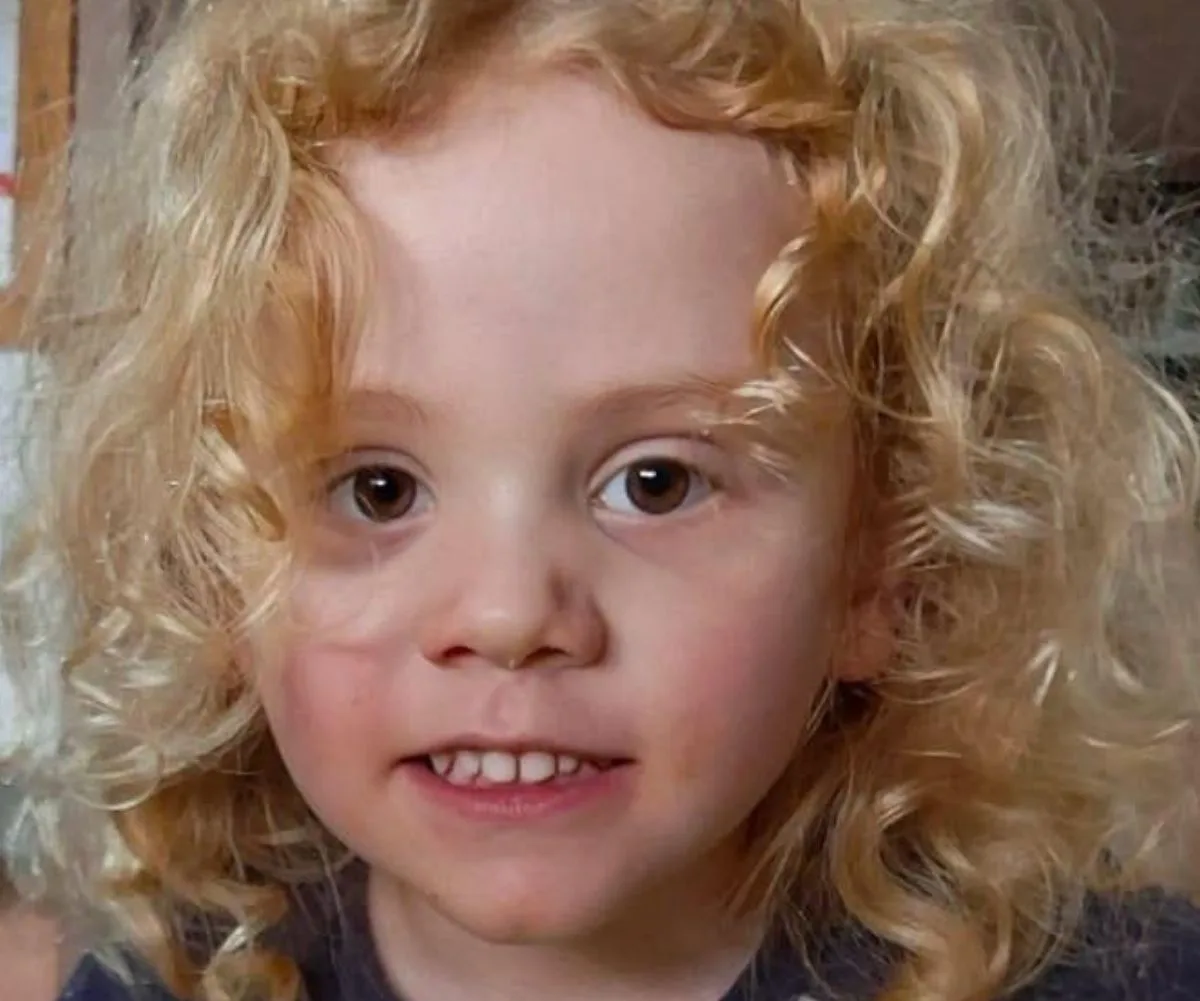
“This has come as a shock to our family and friends, and we are struggling to comprehend what has happened,” family friend Bill Harbison said while reading their statement.
“Gus’s absence is felt in all of us, and we miss him more than words can express. Our hearts are aching and we are holding onto hope that he will be found and returned to us safely.”
Previously, police revealed they are looking into every possible scenario on how the missing boy disappeared.
Former policeman and missing persons expert, Aaron Stuart believes the answer to finding little Gus is on the property.
“I honestly believe the answer is back there on the property,” Aaron Stuart told The Advertiser.
“Go back, rethink it, re-interview everybody, but take them back not 30 minutes, take them back a week.”
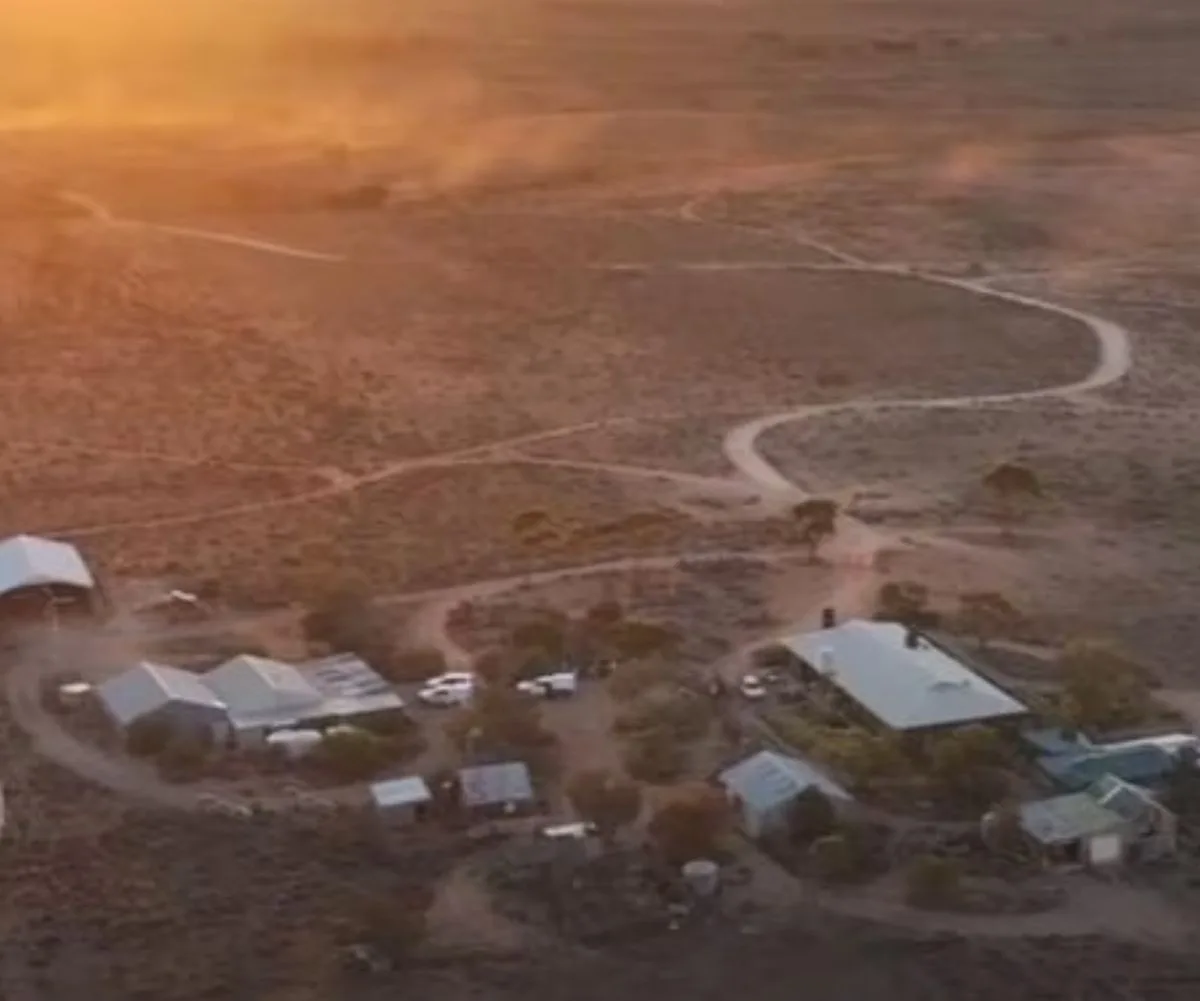
According to South Australia Police, the four-year-old was last seen playing outside his grandparent’s homestead, and was first reported as missing three hours later by his family after they could not find him.
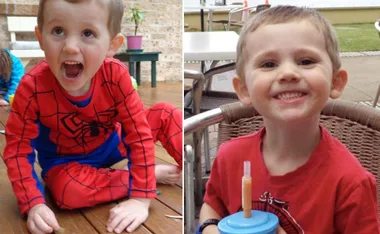
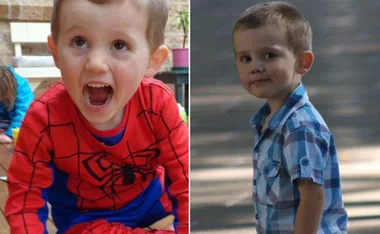
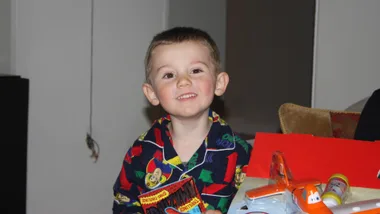
While police, SES volunteers and First Nations trackers desperately searched the 6,000 hectare sheep station near Yunta, SA Police Deputy Commissioner Linda Williams shared that further lines of inquiry are being investigated – which Gary Jubelin, says is a lesson learned from the mistakes of that case of William Tyrrell’s disappearance.
“Children disappearing at that age is a rare event,” the former homicide detective who worked on the Tyrrell investigation from 2014 to 2019, told the Today Show.
“What police would be looking for is has the disappearance been a result of wandering off and getting lost, or is there some form of intervention involved in his disappearance.”
With Gus’ case now being managed by the Missing Persons Section of South Australia Police’s Major Crime Investigation Branch, alternative search methods have been launched in the hopes to find the missing boy including aerial searches, and an infrared drone search.
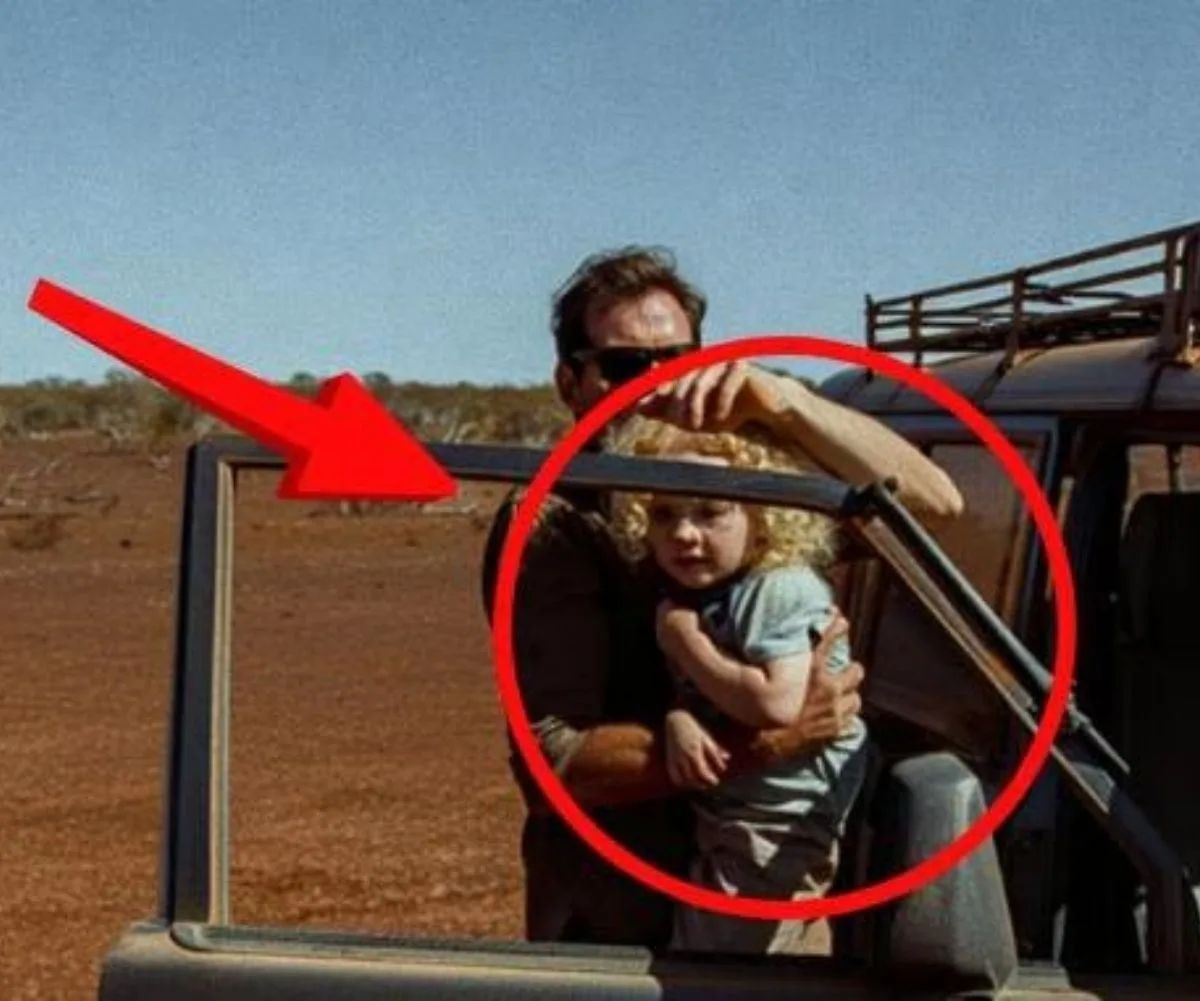
“It’s now been over 10 days. It’s a remote location. It looks for all intents and purposes like an extremely thorough search, and they’ve found no clues at this stage,” Jubelin said.
“The fact they’re doing that I think, is a lesson perhaps learnt from the William Tyrrell investigation, where the whole focus was on finding the little boy lost and an investigation wasn’t started immediately,” he told.
TIME FOR COMPASSION & UNDERSTANDING
While the police continue searching for answers, a family friend of the Lamont family is pleaded with the public to stop speculating over the internet what could have happened to Gus.
Alex Thomas, who grew up on the farm next door to the Lamonts’, says the “online vitriol” being directed at Gus’ family needs to stop.
“I really want to gently inform people about the realities of rural life and ask them for their compassion and understanding,” Alex told The Advertiser.
“This gentle and loving family… they’re not headlines. They are not a spectacle.”
She’s also reminded the community that kids raised on farms have a different understanding of the land.
“For those not from the area, the landscape seems quite harsh but for Gus, it’s this kid’s backyard,” she shared.
“It might be a big back yard bit he knows that place like the back of his little hands, not unlike his parents, and his parents’ parents.”
Days after Gus was reported missing, an AI-generated image of a boy resembling Gus being placed by an “unfamiliar man” into a car was shared thousands of times on social media.
Now, missing persons expert Dr Sarah Wayland is reminding social media users to check where information is coming from to see if it’s credible or not.
“For families of missing people, they’re living with both the actual trauma of the waiting and the information from police… but they’re also now living with the imagined trauma of what the community is offering them up,” the social work professor at CQ University told The Advertiser.
She also says the public often look to historical cases to help understand the case, but warned that false claims and rumours distract police from real work.
“There’s a kind of true-crime mysticism that takes hold, rather than recognising each case is unique. This is the story of one young child who’s missing… it’s not necessarily the replicated story of a case that we’ve known from the past,” she said.
“[False claims] take the police’s attention away from the search and rescue or recovery operations and requires them to answer questions that have nothing to do with what’s happening right now.”

