Urinary incontinence is sometimes called the ‘silent syndrome’ because it’s so rarely talked about.
As a result, it can often be a lonely experience for women who are unaware of how common it actually is.
“One in three Australian women will experience urinary incontinence at some stage in their life,” women’s health physiotherapist Caitlin Dunsford explains.
Two of the most common causes are pregnancy and menopause, but the reality is that anyone can experience bladder leakage, including men, younger women and those who have never given birth.
“Your risk of urinary incontinence can also increase due to weight gain, constipation, high impact exercise, heavy weightlifting, chronic coughing and some medications,” Caitlin says.
Regardless of the cause, it’s important to know that treatment is available.
“Women aren’t aware of how common it is – they think they have to put up with it,” says Caitlin. “They aren’t sure which health professional to see or they think it may get better over time.”
Here, she explains some little-known issues that can affect your pelvic floor.
Coughing
When we cough, it puts pressure on our bladder – which is why it’s so notorious for causing leaks. However, extended bouts of coughing, whether it’s from a respiratory condition or virus (hello, COVID), can sometimes cause longer- lasting problems.
“Long-term, repeated coughing may weaken the pelvic floor muscles,” Caitlin explains. “My advice to women with respiratory conditions is to participate in regular pelvic floor exercise to help prevent urinary incontinence.”
Some women who have been treated for urinary incontinence find that symptoms return after a chest virus. “These women may need to do another bout of pelvic floor muscle training,” Caitlin says.

Constipation
Yep, we know – it’s another subject we don’t like talking about. However, if you’re struggling to stay regular, it can affect your bladder in a number of ways.
“Constipation impacts urinary incontinence by increasing pressure to the bladder, leading to a higher chance of leaking urine during activities such as sneezing or laughing.
“Long-term, constipation and straining on the toilet can weaken the pelvic floor muscles or lead to a term called dyssynergic defecation,” explains Caitlin.
“This is the failure of normal relaxation of the pelvic floor muscles when doing a poo, and can lead to further straining and worsening pelvic floor muscle function – and so then the cycle continues.
“Treatment would involve strategies to combat constipation and improve pelvic floor muscle coordination.”
Overexercise
A weak bladder shouldn’t prevent you from exercising, and there are strategies and products to help you navigate the gym.
That said, Caitlin stresses that problems are likely if we overdo things.
“We know that some high impact activities – like gymnastics, weightlifting, etc – place increased stress onto the bladder and pelvic floor,” she explains.
These activities may increase the likelihood of developing or worsening symptoms of urinary incontinence.
These days there are a range of pads and leakproof underwear options that you can wear when exercising.
“Exercise is important for lots of reasons, and shouldn’t be avoided due to fear of leaking or worsening leakage,” Caitlin says.
“Women should look to optimise their pelvic floor muscle strength, as well as understand good bladder and bowel habits to reduce the risk of incontinence during exercise.”
What’s a women’s health physio?
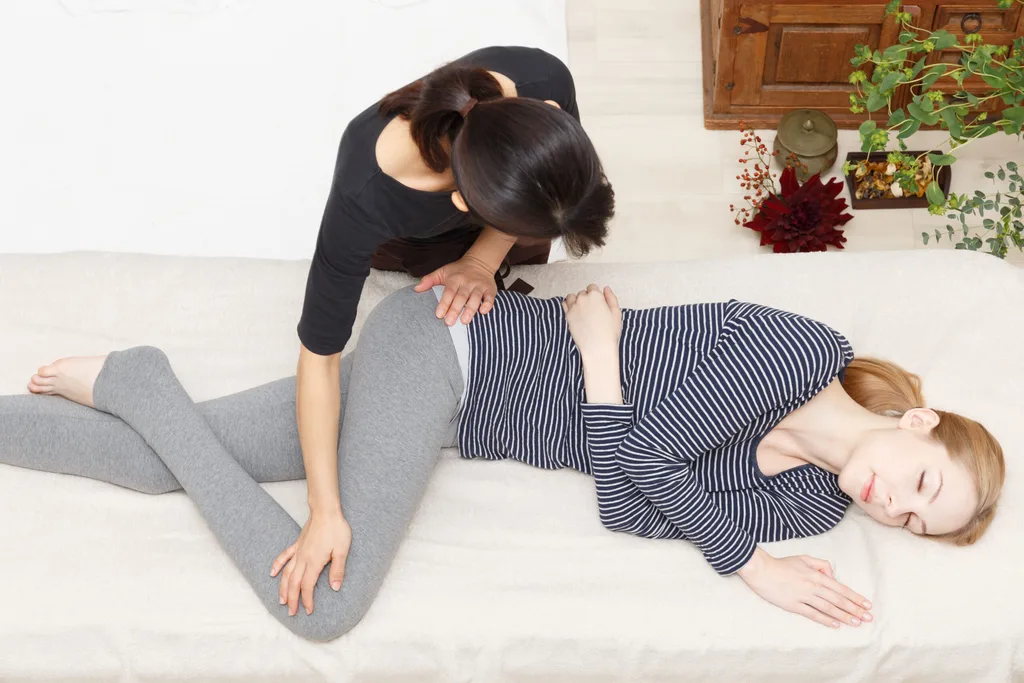
Women’s health physiotherapists are specialists who work across a range of medical conditions, including pelvic floor disorders.
“A women’s health physio can assess and treat urinary and faecal incontinence, pelvic pain, endometriosis, dyspareunia (painful intercourse) and pelvic organ prolapse. Anyone experiencing these symptoms should consider seeing a women’s physio,” Caitlin explains.
“Women’s physios also play an important part in education and prevention during major female life stages such as pregnancy, childbirth and menopause.”
You can search for a specialist near you with the Find a Physio resource at the Australian Physiotherapy Association website (choose.physio) or via Physiotherapy New Zealand (pnz.org.nz).
A GP referral isn’t required, and most clinics also offer telehealth appointments.
“Most major public hospitals with birthing units also have publicly funded women’s health physios,” says Caitlin. “Access to these services requires a referral from your GP or specialist.”

Confidence starts here
Managing incontinence just got easier with the new MoliCare® Premium Mobile, now enhanced with SkinGuard® technology.
Designed for comfort, it offers faster absorption, a skin-friendly feel, a thinner, discreet fit and eco-friendly packaging.
Trusted by users and carers alike for reliable, everyday protection.
Find it at pharmacies or visit molicare.au for more info. RRP: $64.40 per pack.

Related stories

Native ad body.

Native ad body.




Native ad body.